Dog
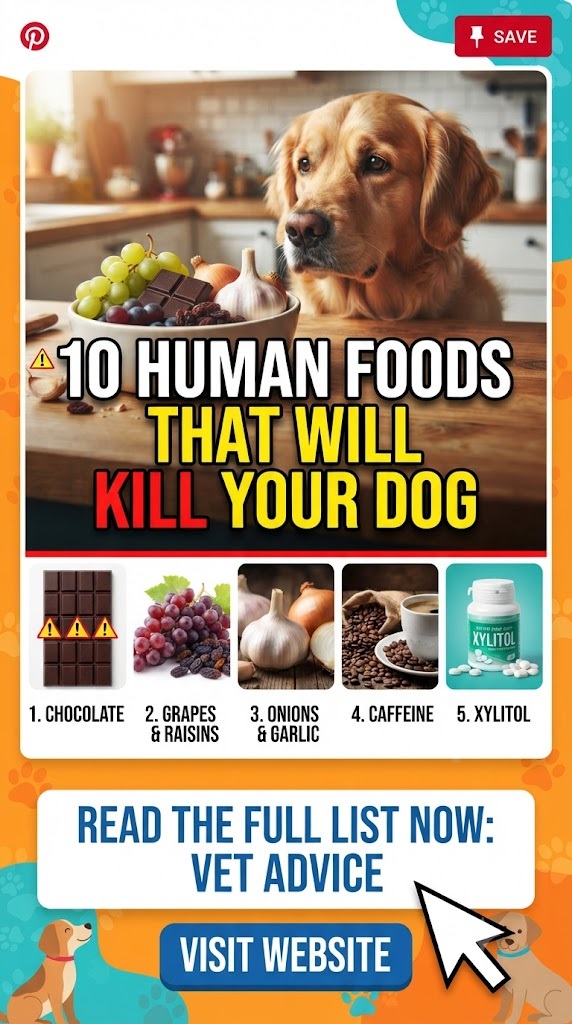
10 Human Foods That Will KILL Your Dog (No. 7 Will Shock You!) 🚨🐶
Did you know that some foods sitting in your kitchen right now can be extremely dangerous — and even potentially fatal — to your dog?
Dogs may happily beg for whatever you’re eating, but their bodies don’t process every human food the way ours do. In this video, we reveal 10 common human foods that can seriously harm dogs, explain what makes them dangerous, what symptoms you should watch for, and what you should do if your dog accidentally eats one.
⚠️ Important: This video is for educational and prevention purposes. If you believe your dog has eaten a potentially toxic substance, don’t wait for symptoms to appear. Contact your veterinarian or a local emergency veterinary service immediately for professional advice.
🐾 In This Video, You’ll Learn:
🔴 1. Chocolate
Learn why chocolate can be toxic to dogs, which types can pose the greatest risk, and why the amount and size of the dog matter.
🔴 2. Grapes & Raisins
These seemingly harmless snacks can cause serious health problems in some dogs. We’ll discuss why they should never be intentionally fed to your dog.
🔴 3. Onions & Garlic
Find out how ingredients commonly found in cooked meals, sauces, seasonings, and leftovers can damage a dog’s red blood cells.
🔴 4. Xylitol-Containing Foods
This sweetener can be found in some sugar-free products and can cause a dangerous reaction in dogs. We’ll explain why checking ingredient labels is so important.
🔴 5. Alcohol
Even relatively small amounts can be dangerous for dogs. We’ll cover where accidental exposure can happen and why alcoholic drinks should always be kept completely out of reach.
🔴 6. Caffeine
Coffee, energy drinks, tea, and other caffeinated products can pose serious risks. Learn why your morning drink should never become your dog’s treat.
🔴 7. Macadamia Nuts 😱
This is the one that surprises many dog owners! Macadamia nuts can cause illness in dogs, and we’re breaking down the warning signs you need to recognize.
🔴 8. Raw Yeast Dough
Raw dough can continue expanding inside a dog’s stomach and can create additional dangers as it ferments.
🔴 9. Foods With Excessive Salt
Too much salt can cause serious problems, especially when dogs get access to large quantities of salty snacks or other high-sodium foods.
🔴 10. Fatty Foods & Certain Leftovers
Rich, greasy foods may cause severe digestive problems and can contribute to potentially serious conditions such as pancreatitis.
🚨 Warning Signs Every Dog Owner Should Know
Depending on the food involved and the amount consumed, signs of poisoning or food-related illness can include:
• Vomiting
• Diarrhea
• Excessive thirst or urination
• Weakness or unusual tiredness
• Restlessness or agitation
• Tremors
• Loss of coordination
• Abdominal discomfort
• Rapid heartbeat
• Seizures
• Collapse
Symptoms can vary significantly depending on the toxin, dose, and individual dog. A dog may also appear normal initially, so don’t assume that everything is fine simply because symptoms haven’t appeared yet.
🏠 Keep Your Dog Safe
The easiest way to prevent many food-related emergencies is simple: don’t share questionable human foods with your dog.
Keep potentially dangerous foods securely stored, make sure trash cans are inaccessible, check ingredient labels on packaged foods, and remind children and visitors not to feed the dog without permission.
And remember: “Just a little bit” isn’t always safe. The risk can depend on the specific food, quantity, ingredients, and your dog’s size and health.
👍 If you found this video helpful, LIKE the video and SUBSCRIBE for more dog-safety tips, pet-care information, and important facts every responsible dog owner should know.
🔔 Turn on notifications so you don’t miss our next video!
💬 Question for dog owners:
Have you ever discovered that a food you thought was harmless could actually be dangerous for dogs? Tell us what surprised you most in the comments!
Disclaimer: This content is provided for general educational purposes and is not a substitute for veterinary diagnosis, treatment, or professional medical advice. If your dog has consumed a potentially toxic food, contact a veterinarian or emergency veterinary service as soon as possible. Do not attempt to induce vomiting or give home remedies unless a qualified veterinary professional specifically instructs you to do so.
#DogSafety #DogHealth #Dogs #PetSafety #DogCare #DogTips #PetHealth #DogParents #PuppySafety #AnimalSafety #PetCare #DogFood #ToxicFoodsForDogs10 Human Foods That Will KILL Your Dog (No. 7 Will Shock You!) 🚨🐶
Did you know that some foods sitting in your kitchen right now can be extremely dangerous — and even potentially fatal — to your dog?
Dogs may happily beg for whatever you’re eating, but their bodies don’t process every human food the way ours do. In this video, we reveal 10 common human foods that can seriously harm dogs, explain what makes them dangerous, what symptoms you should watch for, and what you should do if your dog accidentally eats one.
⚠️ Important: This video is for educational and prevention purposes. If you believe your dog has eaten a potentially toxic substance, don’t wait for symptoms to appear. Contact your veterinarian or a local emergency veterinary service immediately for professional advice.
🐾 In This Video, You’ll Learn:
🔴 1. Chocolate
Learn why chocolate can be toxic to dogs, which types can pose the greatest risk, and why the amount and size of the dog matter.
🔴 2. Grapes & Raisins
These seemingly harmless snacks can cause serious health problems in some dogs. We’ll discuss why they should never be intentionally fed to your dog.
🔴 3. Onions & Garlic
Find out how ingredients commonly found in cooked meals, sauces, seasonings, and leftovers can damage a dog’s red blood cells.
🔴 4. Xylitol-Containing Foods
This sweetener can be found in some sugar-free products and can cause a dangerous reaction in dogs. We’ll explain why checking ingredient labels is so important.
🔴 5. Alcohol
Even relatively small amounts can be dangerous for dogs. We’ll cover where accidental exposure can happen and why alcoholic drinks should always be kept completely out of reach.
🔴 6. Caffeine
Coffee, energy drinks, tea, and other caffeinated products can pose serious risks. Learn why your morning drink should never become your dog’s treat.
🔴 7. Macadamia Nuts 😱
This is the one that surprises many dog owners! Macadamia nuts can cause illness in dogs, and we’re breaking down the warning signs you need to recognize.
🔴 8. Raw Yeast Dough
Raw dough can continue expanding inside a dog’s stomach and can create additional dangers as it ferments.
🔴 9. Foods With Excessive Salt
Too much salt can cause serious problems, especially when dogs get access to large quantities of salty snacks or other high-sodium foods.
🔴 10. Fatty Foods & Certain Leftovers
Rich, greasy foods may cause severe digestive problems and can contribute to potentially serious conditions such as pancreatitis.
🚨 Warning Signs Every Dog Owner Should Know
Depending on the food involved and the amount consumed, signs of poisoning or food-related illness can include:
• Vomiting
• Diarrhea
• Excessive thirst or urination
• Weakness or unusual tiredness
• Restlessness or agitation
• Tremors
• Loss of coordination
• Abdominal discomfort
• Rapid heartbeat
• Seizures
• Collapse
Symptoms can vary significantly depending on the toxin, dose, and individual dog. A dog may also appear normal initially, so don’t assume that everything is fine simply because symptoms haven’t appeared yet.
🏠 Keep Your Dog Safe
The easiest way to prevent many food-related emergencies is simple: don’t share questionable human foods with your dog.
Keep potentially dangerous foods securely stored, make sure trash cans are inaccessible, check ingredient labels on packaged foods, and remind children and visitors not to feed the dog without permission.
And remember: “Just a little bit” isn’t always safe. The risk can depend on the specific food, quantity, ingredients, and your dog’s size and health.
👍 If you found this video helpful, LIKE the video and SUBSCRIBE for more dog-safety tips, pet-care information, and important facts every responsible dog owner should know.
🔔 Turn on notifications so you don’t miss our next video!
💬 Question for dog owners:
Have you ever discovered that a food you thought was harmless could actually be dangerous for dogs? Tell us what surprised you most in the comments!
Disclaimer: This content is provided for general educational purposes and is not a substitute for veterinary diagnosis, treatment, or professional medical advice. If your dog has consumed a potentially toxic food, contact a veterinarian or emergency veterinary service as soon as possible. Do not attempt to induce vomiting or give home remedies unless a qualified veterinary professional specifically instructs you to do so.