
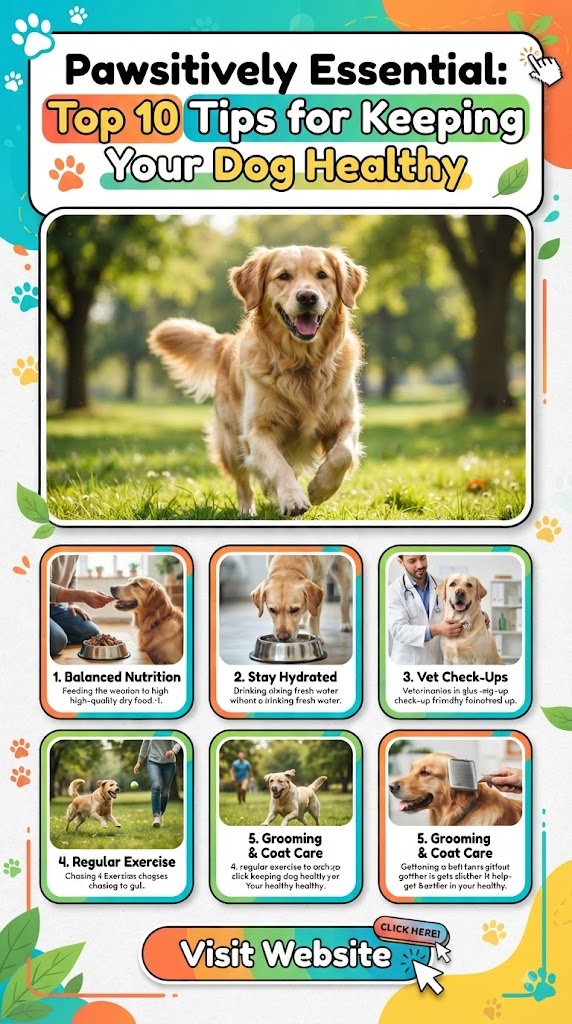
Top 10 Tips for Keeping Your Dog Healthy
Keeping your dog healthy is one of the most important responsibilities of being a pet owner. A healthy dog is more likely to live a longer, happier, and more active life. Good health involves much more than simply providing food and water—it includes proper nutrition, regular exercise, preventive veterinary care, grooming, dental hygiene, mental stimulation, and plenty of love and attention.
Here are 10 essential tips for keeping your dog healthy and improving their overall quality of life.
1. Provide a Balanced and Nutritious Diet
Proper nutrition is the foundation of your dog’s health. Dogs need a diet that provides the right balance of protein, fats, carbohydrates, vitamins, minerals, and other essential nutrients.
Choose a complete and balanced dog food that is appropriate for your dog’s age, size, breed, activity level, and health needs. Puppies, adult dogs, senior dogs, and highly active dogs can have very different nutritional requirements.
Avoid feeding excessive table scraps or foods that may be harmful to dogs. Foods such as chocolate, grapes and raisins, onions, garlic, and products containing xylitol can be dangerous.
Fresh, clean drinking water should always be available. Monitor your dog’s weight and adjust food portions as necessary to help prevent obesity.
2. Make Sure Your Dog Gets Regular Exercise
Regular physical activity helps dogs maintain a healthy weight, build strong muscles and bones, and support cardiovascular health. Exercise can also reduce boredom and destructive behaviors.
The amount of exercise your dog needs depends on factors such as breed, age, size, fitness level, and individual health. Some dogs may be happy with daily walks and gentle play, while others require considerably more activity.
Walking, running, playing fetch, swimming, and interactive games can all provide useful exercise. Start gradually if your dog is not accustomed to physical activity, and avoid excessive exercise during very hot or humid weather.
3. Schedule Regular Veterinary Checkups
Routine veterinary examinations can help detect health problems before they become serious. Even if your dog appears perfectly healthy, regular checkups are important because some diseases may not show obvious symptoms during their early stages.
Your veterinarian can assess your dog’s weight, teeth, skin, eyes, ears, heart, and overall condition. They can also recommend appropriate preventive care based on your dog’s age and lifestyle.
Senior dogs and dogs with chronic health problems may require more frequent examinations.
4. Keep Vaccinations and Preventive Treatments Up to Date
Vaccinations help protect dogs from several potentially serious infectious diseases. Your veterinarian can create an appropriate vaccination schedule based on your dog’s age, lifestyle, location, and risk factors.
Parasite prevention is also important. Fleas, ticks, heartworms, and intestinal parasites can cause significant health problems in dogs.
Ask your veterinarian which preventive products are appropriate for your dog and follow the recommended schedule. Never give your dog medication intended for humans unless a veterinarian specifically tells you to do so.
5. Take Care of Your Dog’s Teeth
Dental health is often overlooked, but it is an important part of your dog’s overall well-being. Plaque and tartar can accumulate on the teeth and contribute to gum disease, bad breath, pain, and other health problems.
Regular tooth brushing with toothpaste specifically formulated for dogs is one of the best ways to support dental health. Human toothpaste should not be used unless specifically directed by a veterinarian.
Your veterinarian can also examine your dog’s mouth during routine visits and recommend professional dental cleaning when necessary.
6. Maintain Regular Grooming
Grooming is not just about making your dog look clean and attractive. It can also help maintain healthy skin and coat while allowing you to notice potential problems early.
Depending on your dog’s breed and coat type, regular grooming may include:
- Brushing the coat
- Bathing when necessary
- Nail trimming
- Ear cleaning when appropriate
- Checking the skin for unusual lumps, wounds, irritation, or parasites
- Keeping long hair around certain areas properly maintained
Regular brushing can reduce mats and remove loose hair. While grooming your dog, look for changes such as redness, swelling, unusual odors, hair loss, or skin lesions and consult a veterinarian if you notice concerning abnormalities.
7. Maintain a Healthy Weight
Obesity can negatively affect a dog’s quality of life and increase the risk of several health problems. Extra weight can place additional stress on the joints and may contribute to reduced mobility and other medical complications.
Feed appropriate portions rather than simply filling the bowl whenever your dog seems hungry. Treats should also be included when considering your dog’s overall calorie intake.
Regular exercise and periodic weight checks can help maintain a healthy body condition. If you are unsure whether your dog is overweight or underweight, ask your veterinarian for an assessment and feeding recommendations.
8. Give Your Dog Mental Stimulation
A healthy dog needs mental stimulation as well as physical exercise. Dogs are intelligent animals that benefit from opportunities to explore, learn, play, and interact with their environment.
You can provide mental stimulation through:
- Training sessions
- Puzzle toys
- Interactive feeders
- Scent games
- Hide-and-seek
- Learning new commands
- Safe exploration and supervised play
Training also strengthens communication between you and your dog and can help develop desirable behaviors.
9. Provide a Safe and Comfortable Environment
Your dog’s environment should be clean, secure, and suitable for their needs. Make sure your dog has access to a comfortable resting area, clean water, appropriate shelter, and protection from dangerous conditions.
Keep potentially toxic substances, medications, chemicals, small objects, and dangerous foods out of your dog’s reach. Check your home and yard for hazards that could cause injury.
During extreme weather, take additional precautions. Dogs can be vulnerable to heat-related illness, cold temperatures, and other environmental dangers. Never leave a dog unattended in a parked vehicle.
10. Pay Attention to Changes in Behavior and Health
One of the best ways to protect your dog’s health is to know what is normal for them. Changes in appetite, drinking, energy, behavior, bathroom habits, weight, breathing, or mobility can sometimes indicate an underlying problem.
Pay attention to symptoms such as:
- Persistent vomiting or diarrhea
- Difficulty breathing
- Severe or unusual lethargy
- Sudden changes in behavior
- Loss of appetite
- Unexplained weight loss or gain
- Persistent coughing
- Difficulty walking
- Excessive scratching
- Unusual lumps or swelling
- Signs of pain
Some symptoms can require urgent veterinary attention. If your dog suddenly becomes very ill, has difficulty breathing, collapses, suffers a serious injury, or shows other severe symptoms, contact a veterinarian or emergency veterinary service promptly.
Final Thoughts
Keeping your dog healthy is a long-term commitment that involves many small but important habits. Providing nutritious food, regular exercise, preventive veterinary care, dental care, grooming, mental stimulation, and a safe environment can make a major difference in your dog’s well-being.
Most importantly, build a strong relationship with your dog and learn to recognize their normal habits and behavior. Regular observation can help you notice changes early, while routine veterinary care can provide professional guidance throughout every stage of your dog’s life.
By making your dog’s health a daily priority, you can help them stay active, comfortable, and happy—and enjoy many wonderful years together.