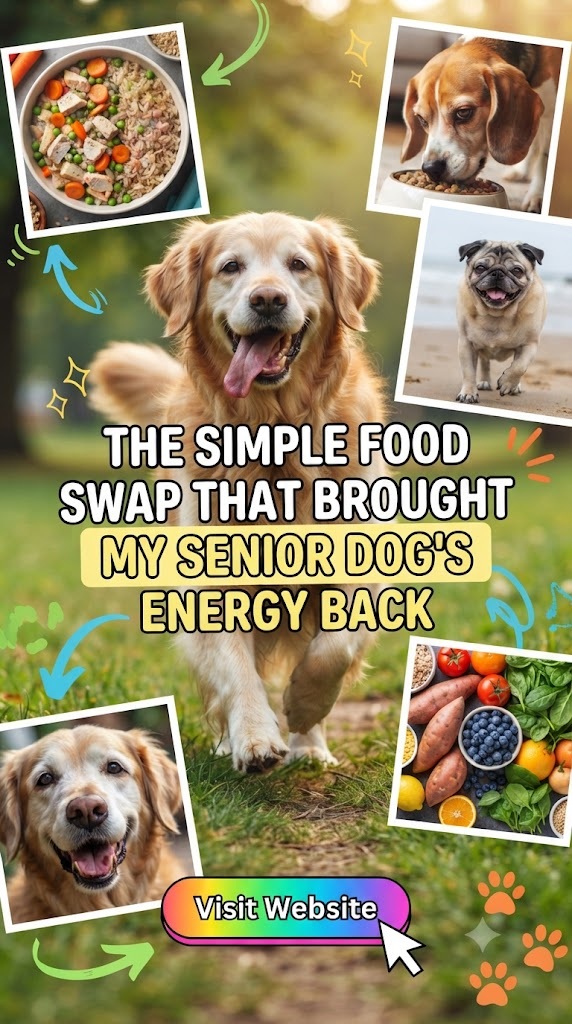
This Simple Diet Change Gave My 12-Year-Old Dog Puppy Energy
The gray hairs around his muzzle had started to spread like frost on a winter morning. My dog, Buster, a golden retriever mix who once lived for the sound of a tennis ball hitting the pavement, had become a permanent fixture on his orthopedic bed. At 12 years old, the “slowing down” wasn’t just a phrase; it was a heartbreaking reality. He struggled to stand up after a nap, his gait was stiff, and that spark in his eyes—the one that used to signal a readiness for adventure—had dimmed into a sleepy, distant gaze.
Like many pet parents, I accepted it. I told myself, “He’s a senior dog. This is just what happens.” We traded long hikes for slow strolls to the mailbox. We traded wrestling matches for gentle head pats. I thought I was being a good owner by letting him “age gracefully” in his lethargy.
I was wrong.
It wasn’t age that was stealing Buster’s vitality; it was his bowl. After a chance conversation with a holistic veterinarian and a deep dive into the world of canine nutrition, I made one simple, fundamental change to his diet. Within three weeks, the dog who could barely climb the stairs was nudging me with a toy at 6:00 AM.
This is the story of how a shift in nutrition gave my senior dog a second lease on life, and how you can do the same for your aging companion.
The Myth of “Slowing Down”
We have been conditioned to believe that once a dog hits double digits, they are destined for a life of sedentary decline. We see arthritis, weight gain, and cognitive “fogginess” as inevitable milestones on the road to the end. While biological aging is a fact of life, the rate at which our dogs decline is heavily influenced by the fuel we provide their bodies.
The “senior” dog food market is partially to blame. Most commercial senior kibbles focus on one thing: reducing calories. The logic is that because old dogs move less, they need less energy. However, by simply stripping away calories (often by replacing protein with indigestible fiber or fillers), we are often starving our senior dogs of the very nutrients their aging cells need to repair themselves.
The Problem with Ultra-Processed Kibble
For twelve years, I fed Buster a “high-quality” commercial kibble. It was convenient, it was recommended by big-box stores, and it was easy. But kibble, by its very nature, is ultra-processed. It is cooked at extremely high temperatures (extrusion), which creates:
- Advanced Glycation End Products (AGEs): These are compounds that contribute to systemic inflammation and oxidative stress—the two primary drivers of aging.
- Loss of Natural Enzymes: High heat kills the live enzymes that aid in digestion and cellular repair.
- High Carbohydrate Loads: To keep kibble in its crunchy shape, manufacturers use starches like corn, wheat, or potatoes. These starches spike insulin and fuel inflammation in the joints.
Buster wasn’t just “old.” He was chronically inflamed.
The Simple Change: Transitioning to Biologically Appropriate Real Food
The “magic” change wasn’t an expensive medication or a high-tech therapy. It was the transition from processed, starch-heavy kibble to a moisture-rich, anti-inflammatory, real-food diet.
I didn’t necessarily go to a 100% raw diet overnight (though many do). Instead, I focused on the “Fresh Food Boost” method—replacing 25% to 50% of his processed meals with fresh, whole ingredients and eventually moving toward a fully fresh-cooked approach.
Why This Works
When you move away from processed pellets toward real meat, organs, and vegetables, you are providing the body with “bioavailable” nutrients. This means the dog’s body doesn’t have to work hard to break down complex, synthetic additives. Instead, the nutrients go straight to work repairing tissue, fueling the brain, and lubricating joints.
The 3 Pillars of the “Puppy Energy” Diet
If you want to see your senior dog reclaim their zest for life, you need to focus on three specific nutritional pillars.
1. High-Quality, Unprocessed Protein
Senior dogs actually need more protein than younger adults, not less. As dogs age, their ability to process protein becomes less efficient. Protein is the building block of muscle. When a senior dog doesn’t get enough high-quality protein, their body begins to break down its own muscle mass to survive. This leads to the “wasting” look often seen in old dogs and the weakness in their hind legs.
- What I added: Lightly poached chicken thighs, lean ground beef, and sardines (packed in water).
- The Result: Buster’s muscle tone improved, giving him the strength to stand up without the “wobbles.”
2. Eliminating the “Inflammation Engine” (Carbohydrates)
Inflammation is the enemy of the aging dog. It causes the pain in their joints (arthritis) and the “fog” in their brain (canine cognitive dysfunction). The biggest source of inflammation in commercial dog food is the high starch content.
- 1. Why Senior Dogs Naturally Slow Down
- Understanding the aging process in dogs
- Common reasons older dogs lose energy
- When low energy is normal—and when it isn’t
- 2. The Warning Signs Your Dog’s Diet Needs an Upgrade
- Constant fatigue and sleeping more than usual
- Weight gain or muscle loss
- Dull coat and dry skin
- Stiff joints and reduced mobility
- Digestive problems and poor appetite
- 3. The Simple Diet Change That Made a Big Difference
- Switching to a high-quality senior dog food
- Adding fresh, vet-approved whole foods
- Increasing high-quality protein
- Choosing healthy fats for energy
- Improving hydration with moisture-rich meals
- 4. Best Protein Sources for Senior Dogs
- Lean chicken and turkey
- Salmon and other omega-3-rich fish
- Eggs for muscle maintenance
- Lean beef in moderation
- Why protein matters more as dogs age
- 5. Healthy Foods That Can Boost Energy Naturally
- Pumpkin for digestion
- Blueberries packed with antioxidants
- Carrots for vitamins and fiber
- Sweet potatoes for slow-release energy
- Green beans as a low-calorie snack
- 6. Nutrients Every Senior Dog Needs
- Omega-3 fatty acids
- Glucosamine and chondroitin
- Vitamins C and E
- B vitamins for energy metabolism
- Essential minerals for overall health
- 7. Foods That Could Be Draining Your Dog’s Energy
- Low-quality fillers
- Excessive artificial preservatives
- High-sugar treats
- Fatty table scraps
- Foods toxic to dogs
- 8. How Long Before You Notice Results?
- What to expect during the first week
- Changes after one month
- Long-term improvements over several months
- Why consistency is important
- 9. Other Habits That Support a More Energetic Senior Dog
- Daily low-impact exercise
- Maintaining a healthy weight
- Mental stimulation through games and puzzles
- Regular veterinary checkups
- Proper sleep and stress reduction
- 10. Mistakes to Avoid When Changing Your Dog’s Diet
- Switching foods too quickly
- Overfeeding healthy foods
- Ignoring food allergies
- Skipping portion control
- Forgetting fresh water
- 11. Real-Life Results: How My 12-Year-Old Dog Changed
- Increased energy and enthusiasm
- Better mobility and easier walks
- Improved appetite and digestion
- Healthier coat and brighter eyes
- More playful behavior around the family
- 12. Frequently Asked Questions
- Can old dogs really regain energy?
- What age is considered a senior dog?
- Should I use supplements or food first?
- How often should senior dogs eat?
- When should I consult a veterinarian?
- 13. Final Thoughts: Small Diet Changes Can Make a Big Difference
- Focus on nutrition rather than expensive gimmicks
- Monitor your dog’s progress over time
- Every dog is different, so adjust with veterinary guidance
- Healthy eating can help senior dogs stay active, comfortable, and enjoy a better quality of life.
3. The Power of Omega-3 Fatty Acids
Omega-3s are like WD-40 for a dog’s joints and “super-fuel” for their brain. Most kibbles claim to have Omega-3s, but because these fats are highly sensitive to heat and oxygen, they are usually rancid by the time the bag is opened.
- What I added: Fresh, high-quality fish oil and whole sardines.
- The Result: His coat, which had become dull and brittle, regained its golden sheen. More importantly, he became more “present” and alert.
Step-by-Step: How to Revitalize Your Senior Dog
You don’t have to be a canine nutritionist to make these changes. Here is the exact protocol I followed to bring Buster back to his “puppy” self.
Phase 1: The Fresh Topper (Week 1)
Don’t shock your dog’s system. Start by replacing 20% of their kibble with fresh food.
- Morning: 80% Kibble + a few slices of fresh cucumber and a soft-boiled egg.
- Evening: 80% Kibble + 2 ounces of boiled ground turkey and a splash of warm bone broth.
- Goal: Watch for digestive upset. If their stool is firm, move to Phase 2.
Phase 2: Reducing the Starch (Week 2-3)
This is where the magic happens. We want to significantly lower the glycemic load of the meal.
- The Swap: Replace 50% of the kibble with a mix of “The Big Three”:
- Muscle Meat: Beef, Turkey, Chicken, or Lamb.
- Organ Meat: A small amount of beef liver or heart (nature’s multivitamins).
- Colored Veggies: Pureed blueberries, spinach, or steamed carrots.
Phase 3: The Holistic Senior Bowl (Week 4 and Beyond)
By now, you should be seeing changes in energy. The ideal senior bowl looks like this:
- Base: High-quality protein (freshly cooked or raw).
- Hydration: Goat’s milk or bone broth (crucial for kidney health in seniors).
- Anti-Inflammatory Boosters: A pinch of turmeric (mixed with black pepper for absorption) and a teaspoon of coconut oil or fish oil.
The “Secret Ingredients” for Longevity
While the main diet change is the heavy hitter, there are a few specific additions that acted as “bio-hacks” for Buster’s aging body.
Bone Broth: The Liquid Gold
Senior dogs often suffer from “leaky gut” and dehydration. Bone broth is rich in collagen, glucosamine, and chondroitin. It heals the gut lining and provides the raw materials for joint repair. It also makes food taste amazing for “picky” older eaters.
Blueberries: Brain Food
Dogs can suffer from oxidative stress in the brain, similar to Alzheimer’s in humans. Blueberries are packed with antioxidants that cross the blood-brain barrier. I started giving Buster five frozen blueberries as a treat every afternoon.
Fermented Foods
A huge portion of the immune system lives in the gut. For an older dog, a robust immune system is the difference between bouncing back from a cold and spiraling into a serious illness. A tablespoon of plain, unsweetened kefir or fermented goat’s milk can work wonders for their microbiome.
Witnessing the Transformation: What to Expect
When I started this journey, I kept a journal. If you decide to change your dog’s diet, here is a general timeline of the “Puppy Energy” revival:
- Days 1-5: Improved Appetite. Even the fussiest senior dogs usually dive into fresh food. You’ll notice they seem more excited for mealtime—that “tail wag” returns.
- Days 7-10: Increased Mental Clarity. The “staring at the wall” or getting stuck in corners often begins to diminish. They start seeking out interaction again.
- Days 14-21: Mobility Breakthrough. This is the most emotional part. You’ll see them trot instead of walk. You’ll see them climb the stairs without hesitation. You might even see the “zoomies” return.
- Day 30+: The Physical Glow. Their eyes are clear, their breath smells better (because their gut is healthier), and their coat is soft.
Addressing the Skeptics: Is it Too Late?
I often hear people say, “My dog is 13, it’s too late to change his diet.”
It is never too late. A dog’s cells are constantly regenerating. By providing better building blocks today, you are ensuring that the cells created tomorrow are stronger, healthier, and more resilient. Even if your dog only has a year or two left, wouldn’t you want those years to be filled with playfulness rather than pain?
Buster lived to be 15 and a half. Those final three and a half years were some of his best. We hiked, we traveled, and yes, he chased that tennis ball right up until his final months. He didn’t just “survive” his senior years; he thrived in them.
Common Questions (FAQ)
1. Isn’t fresh food more expensive?
While the grocery bill might go up slightly, your vet bills will likely go down. Chronic inflammation leads to expensive medications, dental cleanings, and emergency visits. Investing in the bowl is an investment in prevention.
2. Can I just use a senior supplement instead?
Supplements are great, but you cannot “out-supplement” a bad diet. Adding a joint pill to a bowl of inflammatory, starch-heavy kibble is like putting a band-aid on a broken leg. Fix the foundation first.
3. What if my dog has a sensitive stomach?
Senior dogs have sensitive systems. Always transition slowly. If your dog has specific issues like kidney disease or pancreatitis, work with a vet to formulate a fresh diet that meets their specific needs (e.g., lower phosphorus for kidney issues).
4. Is raw food safe for old dogs?
For many, yes. However, for dogs with severely compromised immune systems, “lightly cooked” is often a safer and more digestible middle ground. Gently steaming or poaching the meat retains the nutrients while making it easier on the digestive tract.
The Final Word: Every Meal Counts
We often feel helpless as our dogs age. We watch them grow old and feel there’s nothing we can do but offer comfort. But we have a powerful tool in our hands every single morning and evening.
The simple change of moving from a bowl of dead, processed “cereal” to a bowl of living, nutrient-dense food is the greatest gift you can give your senior dog. It’s not just about adding years to their life; it’s about adding life to their years.
Look at your dog right now. If they seem a little slower than they used to be, don’t just blame the calendar. Look at the bowl. A younger, more energetic version of your best friend might just be one diet change away.
Buster taught me that age is a number, but vitality is a choice. Make the change today. Your dog’s “inner puppy” is waiting to come back out and play.