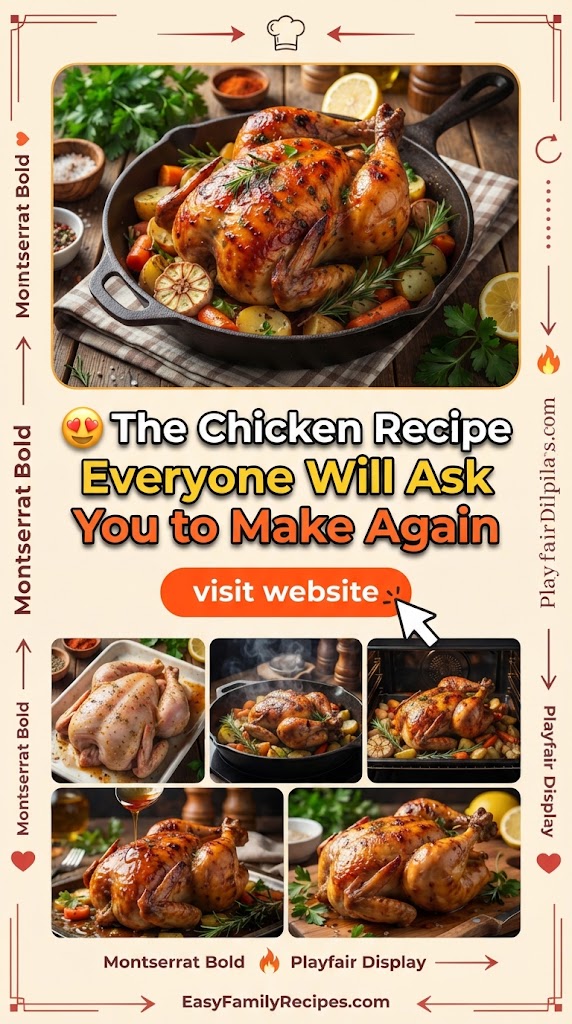

The chicken breast is perhaps the most misunderstood cut of meat in the culinary world. Often maligned as “dry,” “boring,” or “tasteless,” it is frequently relegated to the status of a utility protein—something we eat for health rather than pleasure. However, when prepared with precision, respect, and a generous application of herb-infused butter, the chicken breast transforms into a gourmet masterpiece.
A succulent herb butter chicken breast dinner is more than just a meal; it is a sensory experience. The golden-brown, crispy skin (or seared exterior) gives way to a tender, moisture-rich interior that carries the aromatic notes of rosemary, thyme, and garlic. In this comprehensive guide, we will explore the science, the technique, and the artistry behind creating the perfect chicken dinner that will satisfy the most discerning palates across the USA.
The Foundation: Why the Chicken Breast?
Before we dive into the cooking process, it is essential to understand our canvas. The chicken breast is a lean muscle, which means it has very little intramuscular fat (marbling) compared to the thigh or leg. This lack of fat is why it is so easy to overcook.
In the United States, chicken remains the most consumed meat, and for good reason. It is a high-quality protein source, rich in essential vitamins like B6 and B12, and minerals such as selenium and phosphorus. But to move from “healthy sustenance” to “culinary delight,” we must introduce moisture and flavor through external sources. This is where the Herb Butter comes into play.
The Secret to Succulence: Temperature and Technique
The difference between a “good” chicken breast and a “transcendent” one lies in two factors: moisture retention and flavor infusion.
1. The Art of Brining
If you want to guarantee a succulent result every single time, you must start with a brine. A simple wet brine (water, salt, sugar, and aromatics) or a dry brine (salting the meat well in advance) helps the muscle fibers absorb extra moisture. When the chicken hits the heat, the salt denatures the proteins, preventing them from tightening too much and squeezing out the juices.
2. The Maillard Reaction
To achieve that beautiful, golden-brown crust, you need the Maillard reaction—a chemical reaction between amino acids and reducing sugars that gives browned food its distinctive flavor. This requires a hot pan and a dry surface. Always pat your chicken dry with paper towels before it touches the skillet.
3. Temperature Control
The USDA recommends cooking chicken to an internal temperature of 165°F (74°C). However, many chefs pull the chicken off the heat at 160°F, allowing “carry-over cooking” to bring it to the final safe temperature while resting. This prevents the protein from becoming “rubbery.”
The Star of the Show: Crafting the Herb Butter
The “Herb Butter” (technically a beurre composé or compound butter) is what elevates this dish from a standard weeknight meal to a restaurant-quality experience. Butter provides the fat that the breast lacks, while the herbs provide a sophisticated aromatic profile.
The Essential Herb Profile
For a classic American dinner profile, we focus on the “Holy Trinity” of poultry herbs:
- Rosemary: Earthy, pine-like, and robust.
- Thyme: Subtle, lemony, and floral.
- Parsley: Bright, clean, and refreshing.
- Garlic: While technically a bulb, no herb butter is complete without the pungent depth of fresh garlic.
How to Make the Perfect Compound Butter
- Soften: Use high-quality, unsalted European-style butter (which has a higher fat content). Let it reach room temperature.
- Mince: Finely chop your fresh herbs. Dried herbs can work in a pinch, but they lack the vibrant essential oils found in fresh sprigs.
- Incorporate: Fold the herbs, minced garlic, a pinch of sea salt, and a zest of lemon into the butter.
- Chill or Melt: You can either chill this into a log to slice over the hot chicken or melt it in the pan for “basting.”
Step-by-Step: The Master Recipe
Ingredients
- 2 Large Boneless, Skinless Chicken Breasts (approx. 8-10 oz each)
- Kosher Salt and Freshly Cracked Black Pepper
- 2 Tablespoons Avocado Oil or Grapeseed Oil (high smoke point)
- 4 Tablespoons Herb Butter (Rosemary, Thyme, Garlic blend)
- 2 Sprigs of Fresh Thyme (for the pan)
- 1 Lemon, halved
Instructions
1. Preparation
If your chicken breasts are uneven in thickness, place them under plastic wrap and gently pound the thicker end with a meat mallet. This ensures the entire piece cooks at the same rate. Season generously on both sides with salt and pepper.
2. The Sear
Heat a heavy-bottomed skillet (preferably cast iron) over medium-high heat. Add the oil. Once the oil is shimmering and just beginning to smoke, lay the chicken breasts in the pan, moving away from you to avoid splashes. Let them sear undisturbed for 5–6 minutes until a deep golden crust forms.
3. The Flip and Baste
Flip the chicken. This is the “magic moment.” Lower the heat to medium and add the herb butter to the pan. As the butter melts and begins to foam, add the fresh thyme sprigs and garlic cloves.
Tilt the pan slightly so the melted herb butter pools at the bottom. Using a large spoon, continuously scoop the hot, flavored butter over the chicken breasts. This technique, known as arrosé, cooks the top of the meat gently while infusing it with the aromatics of the butter.
4. The Finish
Continue basting for another 4–5 minutes. Use a meat thermometer to check the internal temperature. When it hits 160°F, remove the chicken from the pan.
5. The Rest
Do not skip this step. Place the chicken on a warm plate or cutting board and let it rest for at least 5 to 8 minutes. This allows the juices to redistribute through the meat. If you cut it immediately, the moisture will leak out, leaving you with dry meat.
Perfect Pairings for a Complete Dinner
A succulent herb butter chicken breast deserves side dishes that complement its richness without overwhelming it.
The Starch: Garlic Mashed Potatoes or Wild Rice
- Garlic Mashed Potatoes: Use Yukon Gold potatoes for a naturally buttery texture. Fold in roasted garlic and a splash of heavy cream.
- Wild Rice Pilaf: The nuttiness of wild rice pairs beautifully with the earthy tones of rosemary and thyme.
The Vegetable: Roasted Asparagus or Glazed Carrots
- Roasted Asparagus: Tossed in olive oil and lemon juice, then roasted at 400°F for 10 minutes. The bitterness of the asparagus cuts through the richness of the butter.
- Honey-Glazed Carrots: The sweetness of the carrots provides a lovely contrast to the savory herbs.
The Salad: A Bright Arugula Mix
A simple salad of baby arugula, shaved parmesan, and a light lemon vinaigrette serves as a palate cleanser between bites of the succulent chicken.
Wine and Beverage Pairings
To truly elevate the Succulent Herb Butter Chicken Breast Dinner, one must consider the beverage.
- White Wine: An oaked Chardonnay from California is the classic choice. The buttery notes of the wine mirror the herb butter on the chicken. If you prefer something crisper, a Sauvignon Blanc offers a citrusy acidity that brightens the dish.
- Red Wine: If you must go red, choose a light-bodied Pinot Noir. Its red fruit notes and low tannins won’t overpower the delicate flavor of the poultry.
- Non-Alcoholic: A sparkling water with a heavy squeeze of fresh lemon and a sprig of bruised mint provides a refreshing, sophisticated alternative.
Advanced Variations: Customizing Your Herb Butter
Once you have mastered the classic version, you can experiment with different flavor profiles based on regional cuisines.
1. The Mediterranean Variation
Incorporate dried oregano, lemon zest, and finely chopped Kalamata olives into your butter. Serve with a side of couscous and feta cheese.
2. The Spicy Southern Variation
Add a teaspoon of smoked paprika and a pinch of cayenne pepper to the butter. Use honey instead of lemon zest for a “hot honey” herb butter finish.
3. The French Bistro Variation
Use tarragon as the primary herb. Tarragon has a distinct anise-like flavor that, when combined with butter and chicken, creates an incredibly sophisticated profile reminiscent of classic French cooking.
The Role of Equipment: Why Cast Iron Matters
While you can cook chicken in any pan, a cast iron skillet is the gold standard for this dish. Cast iron has high thermal mass, meaning it stays hot even when you drop a cold piece of meat onto it. This creates a superior sear. Furthermore, the even heat distribution ensures that the butter foams consistently during the basting process without burning too quickly.
If you don’t have cast iron, a heavy stainless steel “tri-ply” pan is the next best option. Avoid non-stick pans for this specific recipe, as they cannot achieve the high heat necessary for a professional-grade Maillard crust.
Common Mistakes to Avoid
- Cooking Straight from the Fridge: Cold meat will lower the pan temperature and cook unevenly. Let the chicken sit at room temperature for 15–20 minutes before cooking.
- Overcrowding the Pan: If you are cooking for a large family, do it in batches. Overcrowding leads to steaming rather than searing, which results in grey, unappealing meat.
- Burning the Butter: Butter has a low smoke point. If the pan is too hot when you add the herb butter, the milk solids will burn and turn bitter. Always lower the heat slightly before adding the butter.
- Using Thin Breasts: Very thin “cutlets” cook too fast to benefit from the basting process. Aim for breasts that are at least 1 inch thick.
Nutritional Profile of Herb Butter Chicken
For those tracking their macros, here is a general breakdown of a standard serving (one 8oz breast with 1.5 tbsp of herb butter):
- Calories: 450–500 kcal
- Protein: 52g
- Fat: 26g (mostly from the butter and oil)
- Carbohydrates: 0g (this is an excellent Keto and Paleo-friendly meal)
- Key Vitamins: High in Niacin, Vitamin B6, and Phosphorus.
To make the dish “lighter,” you can reduce the amount of butter used for basting or replace a portion of the butter with chicken stock to create a “pan sauce” instead.
Meal Prep and Storage
The Succulent Herb Butter Chicken is an excellent candidate for meal prep.
- Storage: Keep leftover chicken in an airtight container in the refrigerator for up to 4 days.
- Reheating: To maintain succulence, avoid the microwave if possible. Instead, place the chicken in a covered skillet with a tablespoon of water or broth over low heat until warmed through. This “steams” the meat gently without drying it out.
- Freezing: You can freeze the cooked chicken for up to 3 months. For best results, freeze the chicken in the leftover herb butter to protect it from freezer burn.
Frequently Asked Questions (FAQs)
Can I use frozen chicken breasts?
Yes, but they must be completely thawed in the refrigerator before cooking. Cooking from frozen will result in a tough exterior and an undercooked interior.
What if I don’t have fresh herbs?
You can use dried herbs, but use them sparingly. Use about 1 teaspoon of dried herbs for every tablespoon of fresh herbs called for. Add them to the butter while it’s melting to help “wake up” the dried oils.
Is herb butter chicken gluten-free?
Absolutely. As long as you do not flour the chicken before searing, this dish is naturally 100% gluten-free.
Can I make this in an Air Fryer?
While you can cook chicken breasts in an air fryer, you will miss out on the arrosé (basting) technique. To adapt, rub the chicken with the softened herb butter before placing it in the air fryer, and cook at 375°F for 15–18 minutes.
Conclusion: The Joy of a Simple, Perfect Meal
The Succulent Herb Butter Chicken Breast Dinner is a testament to the power of technique over complexity. You don’t need exotic ingredients or expensive kitchen gadgets to create a meal that feels like a celebration. By focusing on the quality of your chicken, the freshness of your herbs, and the precision of your cooking temperature, you can transform a humble pantry staple into the highlight of your week.
Whether you are cooking a romantic dinner for two, a Sunday family meal, or simply looking to upgrade your meal prep, mastering the herb butter chicken breast is a skill that will serve you for a lifetime. The next time you find yourself at the grocery store, skip the pre-marinated options and head for the fresh herbs and high-quality butter. Your taste buds—and your guests—will thank you.