
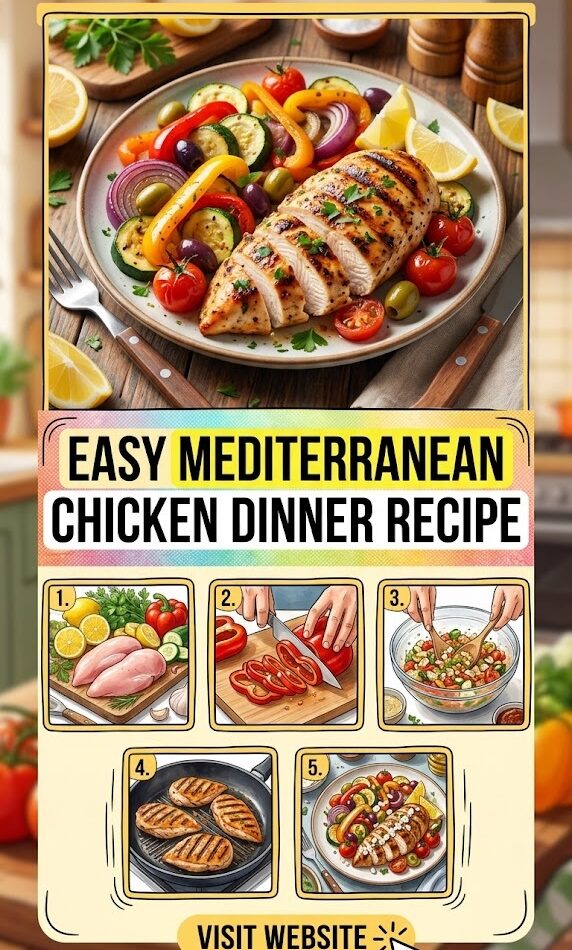
The Mediterranean diet is more than just a culinary trend; it is a lifestyle that has been celebrated for decades as one of the healthiest ways to eat in the world. At the heart of this vibrant cuisine lies a philosophy of simplicity, freshness, and the use of high-quality ingredients. If you are looking for a meal that embodies these principles while remaining accessible for a busy weeknight, the Easy Mediterranean Chicken Dinner is your gold standard.
This comprehensive guide will take you through everything you need to know to master this dish. We will explore the science of marination, the history of Mediterranean staples, and provide a foolproof recipe that will transport your taste buds to the sun-drenched coasts of Greece and Italy.
Why the Mediterranean Chicken Dinner is a Modern Classic
In the fast-paced world of modern cooking, we often find ourselves choosing between health and convenience. This recipe bridges that gap perfectly. It relies on lean proteins, heart-healthy fats, and an abundance of colorful vegetables.
The Health Benefits
The Mediterranean diet is consistently ranked #1 by health experts for its ability to reduce the risk of heart disease, improve cognitive function, and aid in sustainable weight management. By focusing on monounsaturated fats (like those found in olive oil) and lean proteins like chicken, this dinner provides a nutrient-dense profile without the heavy saturated fats found in traditional American comfort foods.
Versatility for the Modern Home Cook
Whether you are cooking for a family of four, meal-prepping for the week, or hosting an elegant dinner party, Mediterranean chicken is incredibly adaptable. It can be baked in a single sheet pan, seared in a cast-iron skillet, or even grilled during the summer months.
The Anatomy of Flavor: Key Ingredients
To achieve that authentic Mediterranean taste, you must understand the “Holy Trinity” of flavors used in this region: acidity, salt, and aromatics.
1. The Protein: Choosing Your Chicken
While you can use any cut of chicken, boneless, skinless chicken thighs are the preferred choice for this recipe. Thighs contain slightly more fat than breasts, which makes them more forgiving during the cooking process. They remain juicy and tender even if they stay in the oven a few minutes too long. However, if you prefer chicken breasts, we recommend slicing them into even cutlets to ensure even cooking.
2. The Liquid Gold: Extra Virgin Olive Oil (EVOO)
Olive oil is the backbone of Mediterranean cooking. For this recipe, use a high-quality “Cold Pressed” Extra Virgin Olive Oil. It serves as the base for the marinade, helping to carry the flavors of the herbs deep into the meat while ensuring the chicken doesn’t dry out.
3. The Brightness: Fresh Lemon Juice and Zest
Acidity is crucial for balancing the richness of the oil and the savory nature of the chicken. Fresh lemon juice provides a sharp, clean finish, while the zest contains essential oils that offer a deep, floral citrus aroma that bottled juice simply cannot replicate.
4. The Aromatics: Garlic and Herbs
- Garlic: Never use the pre-minced jars. Freshly minced garlic provides a pungent, spicy kick that mellows into sweetness as it roasts.
- Dried Oregano: A staple in Greek cooking, dried oregano has a more concentrated flavor than fresh, making it perfect for high-heat roasting.
- Fresh Rosemary or Thyme: These woody herbs add an earthy baseline to the dish.
5. The “Briny” Elements: Olives and Capers
Kalamata olives are the stars here. Their deep purple hue and salty, wine-like flavor profile add a sophisticated edge to the meal. If you want an extra punch of saltiness, a tablespoon of drained capers can elevate the dish significantly.
The Recipe: Easy One-Pan Mediterranean Chicken
This version of the recipe is designed for maximum flavor with minimum cleanup. We use a sheet-pan method that allows the chicken juices to mingle with the vegetables, creating a built-in sauce.
Ingredients List
For the Chicken and Marinade:
- 2 lbs Chicken Thighs (boneless and skinless)
- 1/4 cup Extra Virgin Olive Oil
- 3 tablespoons fresh lemon juice
- 1 tablespoon lemon zest
- 4 cloves garlic, minced
- 2 teaspoons dried oregano
- 1 teaspoon smoked paprika (for a hint of warmth)
- 1/2 teaspoon salt
- 1/2 teaspoon cracked black pepper
For the Vegetable Base:
- 1 large red onion, cut into wedges
- 1 pint cherry tomatoes
- 1 large English cucumber (to be added fresh at the end)
- 1 red bell pepper, sliced into strips
- 1/2 cup Kalamata olives, pitted
- 4 oz Feta cheese, crumbled
- Fresh parsley for garnish
Step-by-Step Instructions
Step 1: The Marination Process
In a large bowl or a gallon-sized Ziploc bag, combine the olive oil, lemon juice, zest, minced garlic, oregano, paprika, salt, and pepper. Add the chicken thighs and toss until every piece is thoroughly coated.
Pro-Tip: For the best results, let the chicken marinate for at least 30 minutes. If you have time, 2 to 4 hours in the refrigerator will allow the acid to tenderize the muscle fibers, resulting in a “melt-in-your-mouth” texture.
Step 2: Preparing the Sheet Pan
Preheat your oven to 400°F (200°C). Line a large rimmed baking sheet with parchment paper or aluminum foil for easy cleanup. Spread the red onion wedges and bell peppers across the pan.
Step 3: Arranging and Roasting
Place the marinated chicken thighs on top of the vegetables. Scatter the cherry tomatoes and Kalamata olives around the chicken. Do not crowd the pan; if the ingredients are too close together, they will steam rather than roast.
Bake for 25–30 minutes, or until the chicken reaches an internal temperature of 165°F (74°C). For a golden-brown finish, turn the broiler on for the last 2-3 minutes of cooking.
Step 4: The Finishing Touches
Remove the pan from the oven. While the chicken rests, the tomatoes will have burst, creating a light sauce. Sprinkle the crumbled feta cheese over the hot chicken so it softens slightly. Add the fresh parsley and, if desired, some sliced cold cucumbers for a refreshing temperature contrast.
Mastering the Mediterranean Technique: Professional Tips
To truly make this dish “Google Ranked” quality, you need to understand the nuances that professional chefs use to elevate simple ingredients.
The Maillard Reaction
When roasting chicken, aim for those slightly charred, brown edges. This is known as the Maillard reaction—a chemical reaction between amino acids and reducing sugars that gives browned food its distinctive flavor. If your oven has a convection setting, use it to circulate hot air more efficiently and achieve better browning.
The Importance of Resting Meat
Never cut into your chicken immediately after removing it from the heat. Resting the chicken for 5 to 10 minutes allows the juices to redistribute throughout the meat. If you cut it too soon, the moisture will run out onto the pan, leaving you with dry chicken.
Balancing the Salt
Between the feta cheese, the olives, and the capers (if using), this dish has many naturally salty components. Be conservative when adding salt to the initial marinade. You can always add more at the table, but you cannot take it away.
Variations: Adapting to Your Lifestyle
The beauty of the Mediterranean chicken dinner lies in its adaptability. Depending on your kitchen equipment or dietary needs, you can modify the cooking method.
The Air Fryer Method
If you are cooking for one or two people, the air fryer is incredibly efficient.
- Marinate the chicken as usual.
- Place the chicken and vegetables in the air fryer basket in a single layer.
- Air fry at 380°F for 15-18 minutes, flipping the chicken halfway through. The air fryer produces an exceptionally crispy exterior that rivals traditional frying without the excess oil.
The Slow Cooker/Crockpot Version
For those who want to come home to a ready-to-eat meal:
- Place the chicken, onions, and peppers in the slow cooker.
- Pour the marinade over the top.
- Cook on LOW for 4-6 hours. Note: Add the tomatoes and olives in the last 30 minutes to prevent them from becoming too mushy.
The Low-Carb / Keto Approach
This recipe is naturally low in carbohydrates. To keep it strictly Keto, ensure you are using full-fat feta cheese and serve it over a bed of sautéed spinach or cauliflower rice instead of traditional grains.
Perfect Pairings: What to Serve with Mediterranean Chicken
While this sheet-pan meal is a complete dinner on its own, adding a side dish can turn it into a feast.
1. Grains and Starches
- Lemon Herb Couscous: This North African staple cooks in just five minutes. Use chicken broth instead of water for extra flavor.
- Orzo Pasta: Toss cooked orzo with a bit of butter and fresh dill to complement the chicken.
- Roasted Potatoes: If you want a heartier meal, toss halved baby potatoes in the same marinade and roast them alongside the chicken.
2. Fresh Salads
A classic Horiatiki (Greek Village Salad) is the perfect accompaniment. Unlike American Greek salads, a traditional Horiatiki contains no lettuce—just chunks of tomato, cucumber, onion, feta, and olives dressed in olive oil and vinegar.
3. Artisanal Breads
A warm piece of pita bread or a crusty baguette is essential for mopping up the delicious juices left on the plate. If you want to go the extra mile, brush the bread with garlic butter and grill it for a few seconds.
The Ultimate Sauce: Homemade Tzatziki
No Mediterranean meal is complete without a creamy, cooling sauce. Tzatziki is a yogurt-based dip that provides a beautiful contrast to the warm, spiced chicken.
Tzatziki Recipe:
- 1 cup Greek Yogurt (full fat is best)
- 1/2 English cucumber, grated and squeezed dry
- 2 cloves garlic, mashed into a paste
- 1 tablespoon fresh dill, chopped
- 1 tablespoon lemon juice
- A pinch of salt
Mix all ingredients and let sit in the fridge for at least an hour before serving. The “squeezing” of the cucumber is the most important step; if you skip it, your sauce will be watery.
Meal Prep and Storage Instructions
This recipe is a favorite for meal-preppers because the flavors actually improve after a day or two in the refrigerator.
- To Store: Keep the cooked chicken and roasted vegetables in an airtight container for up to 4 days.
- To Reheat: For the best texture, reheat in a toaster oven or air fryer at 350°F until warmed through. Microwave reheating is faster but may result in softer chicken skin.
- Freezing: You can freeze the marinated raw chicken for up to 3 months. Simply thaw it in the fridge overnight and roast as instructed. We do not recommend freezing the cooked vegetables, as they tend to lose their structure.
Nutritional Breakdown and Why It Matters
Understanding what you are putting into your body is a key part of the Mediterranean lifestyle. Here is an approximate breakdown per serving (based on one thigh and a portion of vegetables):
- Calories: 350-400
- Protein: 32g
- Healthy Fats: 18g
- Net Carbs: 8g
- Fiber: 3g
This macro-nutrient profile is ideal for maintaining steady blood sugar levels and providing long-lasting energy. The high protein content supports muscle recovery, while the healthy fats from the olive oil and olives promote brain health.
Common Mistakes to Avoid
- Using Dried Herbs That Are Too Old: Dried herbs lose their potency after about six months. If your oregano doesn’t have a strong scent when you rub it between your fingers, it’s time to buy a new jar.
- Overcrowding the Pan: We mentioned this before, but it bears repeating. If the pan is too full, the vegetables will release water and “boil” the chicken rather than roasting it. Use two pans if necessary.
- Not Zesting the Lemon: Most of the lemon flavor is in the skin, not the juice. Skipping the zest means you lose about 50% of the citrus impact.
- Buying “Salad Topping” Feta: Always buy a block of Feta in brine if possible. The pre-crumbled versions are often coated in potato starch to prevent sticking, which affects the texture and flavor.
Beyond the Recipe: The Cultural Context
The Mediterranean diet isn’t just about the food; it’s about the “Conviviality”—the joy of eating with others. In countries like Greece, Italy, and Spain, dinner is a slow, social event.
When you prepare this Easy Mediterranean Chicken Dinner, try to embrace that spirit. Turn off the television, pour a glass of crisp white wine (like a Sauvignon Blanc or an Assyrtiko), and share the meal with family or friends. The stress-reducing benefits of social eating are just as important to the Mediterranean lifestyle as the olive oil itself.
Frequently Asked Questions (FAQs)
Can I use frozen chicken?
Yes, but ensure it is completely thawed and patted dry with paper towels before marinating. Excess moisture on the surface of the chicken will prevent it from browning properly.
Is this recipe gluten-free?
Absolutely. As written, the chicken and vegetables are 100% gluten-free. Just be mindful of what you serve on the side (choose quinoa or potatoes instead of pita or couscous).
How can I make this spicier?
While Mediterranean food is generally mild, you can add a teaspoon of red pepper flakes to the marinade or a dollop of Harissa paste for a North African twist.
What can I use instead of Feta?
If you aren’t a fan of the tanginess of Feta, try goat cheese (Chevre) for a similar creamy texture, or shaved Parmesan for a saltier, nuttier finish.
Final Thoughts: A Journey on a Plate
The Easy Mediterranean Chicken Dinner is more than just a quick fix for a Tuesday night; it is an entry point into a world of flavor that prioritizes your well-being. By utilizing fresh ingredients, understanding the balance of acid and fat, and following a few simple roasting techniques, you can create a restaurant-quality meal in your own kitchen.
This dish proves that you don’t need expensive ingredients or complicated gadgets to eat like royalty. All you need is a sheet pan, some fresh lemons, and the desire to enjoy a wholesome, delicious meal. So, preheat your oven, gather your ingredients, and prepare to fall in love with the flavors of the Mediterranean.
Suggested Wine Pairings
To truly complete the experience, consider these wine selections:
- White: A chilled Pinot Grigio or Sauvignon Blanc offers the acidity needed to cut through the olive oil.
- Rosé: A dry Provençal Rosé matches the summer-inspired flavors of tomato and cucumber perfectly.
- Red: If you prefer red, go for something light and fruity like a Chianti or a Grenache. Avoid heavy, tannic reds like Cabernet Sauvignon, which can overwhelm the delicate herbs.
Essential Kitchen Tools for This Recipe
- Large Rimmed Sheet Pan: Essential for containing the juices.
- Microplane/Zester: For getting that fine, aromatic lemon zest.
- Instant-Read Meat Thermometer: The only way to guarantee perfectly cooked, juicy chicken every time.
- Chef’s Knife: For clean cuts of onion and bell pepper.
By following this guide, you are not just making dinner; you are mastering a culinary tradition that has sustained civilizations for millennia. Enjoy the process, savor the scents filling your kitchen, and most importantly, enjoy every bite of your Easy Mediterranean Chicken Dinner.