
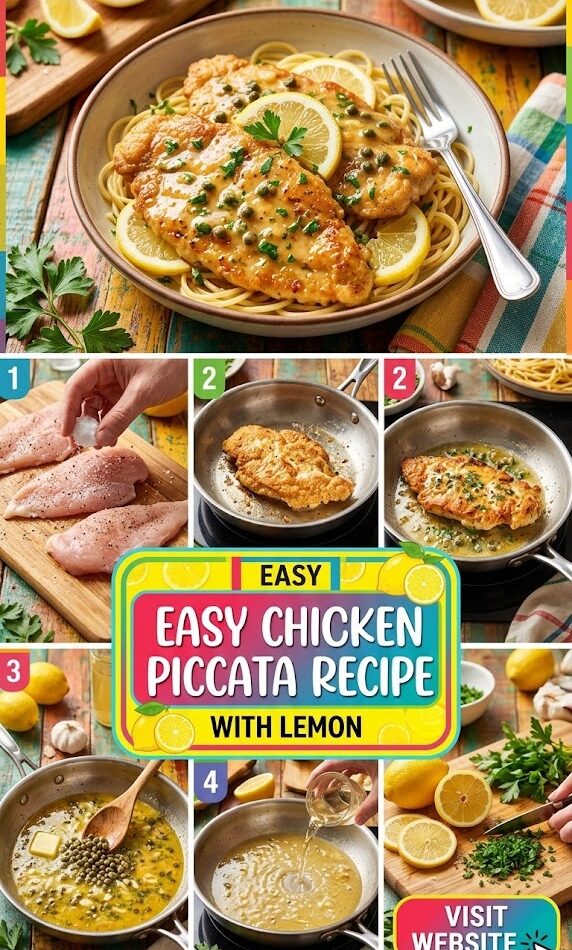
In the pantheon of Italian-American cuisine, few dishes strike the perfect balance between elegance and simplicity quite like Chicken Piccata. It is a dish that feels like a five-star restaurant experience but can be prepared in under thirty minutes in a single skillet. Characterized by its thin, golden-brown chicken cutlets bathed in a silky, tangy sauce of lemon, butter, and briny capers, Chicken Piccata is a masterclass in flavor contrast.
Whether you are a seasoned home cook or a beginner looking to impress at a dinner party, understanding the nuances of this dish is the key to culinary success. This comprehensive guide will walk you through every detail—from selecting the right chicken to the science of emulsifying the perfect pan sauce.
What Exactly is Chicken Piccata?
The word “piccata” is an Italian term that translates to “larded” or “pounded flat.” While in Italy the term is traditionally applied to veal (Veal Piccata), the American adaptation has favored chicken for its accessibility and lean profile. The dish is essentially a “scaloppine”—a thinly sliced piece of meat that is dredged in flour, sautéed until golden, and served with a reduction sauce.
What makes Piccata stand out from other chicken dishes is its bright, acidic profile. Unlike heavy, cream-based sauces or rich tomato ragus, Piccata relies on the sharp acidity of lemon juice and the salty punch of capers to cut through the richness of the butter. The result is a dish that feels light yet deeply satisfying.
The Essential Ingredients: A Deep Dive
The beauty of Chicken Piccata lies in its short ingredient list. Because there are so few components, the quality of each ingredient matters immensely.
1. The Chicken
For the best results, use boneless, skinless chicken breasts. The breasts are sliced horizontally to create thin “cutlets.” This thinness is crucial because it allows the chicken to cook quickly at high heat, developing a beautiful crust without drying out the interior.
2. The Flour
All-purpose flour is the standard dredging agent. It serves two purposes: it creates a delicate, crispy exterior and acts as a thickening agent for the sauce once the chicken is removed from the pan.
3. The Fat: Butter and Olive Oil
A combination of butter and extra virgin olive oil is ideal for sautéing. The oil raises the smoke point, preventing the butter from burning, while the butter provides that essential nutty flavor and golden color.
4. The Aromatics: Garlic and Shallots
While some purists argue for just lemon and capers, a finely minced shallot or a clove of garlic adds a layer of savory depth that elevates the sauce from good to extraordinary.
5. The Liquid: White Wine and Chicken Stock
A dry white wine (like Pinot Grigio or Sauvignon Blanc) is used to deglaze the pan, scraping up all the “fond” (the browned bits of chicken stuck to the bottom). This is where the concentrated flavor lives. Chicken stock provides the body and volume for the sauce.
6. The Stars: Lemon and Capers
Always use fresh lemon juice; bottled juice lacks the vibrant citrus oils found in the zest and fresh pulp. Capers, usually sold in brine, provide the signature salty, floral pops of flavor. Non-pareil capers (the smaller ones) are preferred for their delicate texture.
7. Cold Butter (The Finishing Touch)
The secret to a restaurant-quality sauce is “monter au beurre”—whisking in cold cubes of butter at the very end. This creates a glossy, emulsified sauce that coats the chicken perfectly.
Step-by-Step Instructions for the Perfect Easy Chicken Piccata
Follow these steps meticulously to ensure your chicken remains tender and your sauce stays velvety.
Step 1: Preparing the Chicken Cutlets
Start with two large chicken breasts. Place your hand flat on top of the breast and carefully slice it in half horizontally to create two thin pieces. Place these pieces between two sheets of plastic wrap or in a heavy-duty gallon bag. Using a meat mallet or the bottom of a heavy skillet, pound the chicken to an even 1/4-inch thickness. This ensures every bite cooks at the same rate.
Step 2: The Seasoning and Dredging
Season the chicken generously with kosher salt and freshly cracked black pepper. Place about half a cup of flour in a shallow dish. Dredge each cutlet in the flour, shaking off the excess. You want a light, translucent coating, not a thick batter.
Step 3: Searing to Golden Perfection
Heat a large skillet over medium-high heat. Add 2 tablespoons of olive oil and 1 tablespoon of butter. Once the butter is foaming, add the chicken cutlets. Do not crowd the pan; work in batches if necessary. Sear the chicken for about 3 minutes per side until deep golden brown. Remove the chicken to a plate and tent with foil.
Step 4: Building the Pan Sauce
Reduce the heat to medium. If the pan looks dry, add another teaspoon of oil. Sauté your minced shallots or garlic for 1 minute until fragrant. Pour in 1/2 cup of dry white wine. Use a wooden spoon to scrape the bottom of the pan. Let the wine reduce by half.
Step 5: Adding the Brightness
Add 1/2 cup of chicken stock, 1/4 cup of fresh lemon juice, and 2 tablespoons of drained capers. Let the mixture simmer and reduce until it slightly thickens, about 3-5 minutes.
Step 6: Emulsifying the Sauce
Turn the heat to low. Whisk in 2-3 tablespoons of cold unsalted butter, one tablespoon at a time. Whisk constantly until the butter is melted and the sauce looks creamy and opaque.
Step 7: The Final Assemble
Add the chicken cutlets (and any juices from the plate) back into the skillet. Spoon the sauce over the chicken and let it warm through for 1 minute. Garnish with fresh parsley and extra lemon slices.
The Science of the Sauté: Why Technique Matters
Many home cooks wonder why their Chicken Piccata doesn’t have that “bite” or why the sauce is watery. The answer usually lies in the technique.
- Pounding the Meat: This isn’t just about thickness; it breaks down the muscle fibers, making the chicken incredibly tender.
- The Fond: When you sear the chicken, proteins and sugars react (the Maillard reaction) to create a crust. This crust leaves behind brown bits in the pan. If you wash your pan before making the sauce, you are throwing away 50% of the flavor.
- Emulsification: Adding cold butter to a hot liquid creates an emulsion. If the sauce is too hot or the butter is room temperature, the fat will separate, leaving you with a greasy puddle rather than a silky sauce.
Ingredient Substitutions and Variations
One of the reasons Chicken Piccata remains a staple is its adaptability.
- Alcohol-Free Version: If you prefer not to cook with wine, simply replace the wine with an equal amount of chicken stock. To maintain the acidity, add an extra teaspoon of lemon juice or a splash of white wine vinegar.
- Gluten-Free Piccata: Substitute the all-purpose flour with a 1:1 gluten-free flour blend or almond flour. Almond flour provides a wonderful nutty crust that complements the lemon beautifully.
- Healthy/Low-Calorie Adjustments: To reduce the fat content, use a non-stick skillet to minimize the oil needed for searing and cut the finishing butter in half. You can also use Greek yogurt at the very end to add creaminess without the heavy fat of butter (though the flavor profile will change slightly).
- Vegetarian Alternatives: This sauce is so delicious it works with more than just chicken. Try “Piccata-style” roasted cauliflower steaks, firm tofu, or even pan-seared oyster mushrooms.
Perfect Pairings: What to Serve with Chicken Piccata
Because Chicken Piccata is acidic and savory, it pairs best with side dishes that can soak up the sauce or provide a neutral base.
1. The Classic: Pasta
Angel hair (capellini) or linguine are the traditional choices. The thin strands of pasta catch the capers and the sauce effortlessly. Toss the pasta in a little butter and parsley before serving.
2. The Comforting: Creamy Polenta or Mashed Potatoes
If you want a heartier meal, serve the chicken over a bed of creamy polenta or garlic mashed potatoes. The richness of the base balances the sharp lemon sauce perfectly.
3. The Healthy: Roasted Vegetables
Asparagus, broccolini, or green beans sautéed with garlic are excellent accompaniments. The brightness of the green vegetables mirrors the freshness of the lemon.
4. The Grains: Orzo or Rice Pilaf
A simple lemon-herb orzo or a light rice pilaf provides a wonderful texture contrast to the soft chicken.
Wine Pairing for Chicken Piccata
The high acidity of Chicken Piccata requires a wine that can stand up to the lemon without being overwhelmed.
- Sauvignon Blanc: Known for its citrus notes and high acidity, it is a natural match.
- Pinot Grigio: A crisp, dry Pinot Grigio provides a clean palate cleanser between bites.
- Unoaked Chardonnay: Avoid “buttery” Chardonnays, as they can clash with the lemon. An unoaked version (often labeled Chablis) offers the right mineral balance.
Common Mistakes to Avoid
- Overcooking the Chicken: Because the cutlets are so thin, they only need a few minutes per side. Overcooking leads to a rubbery texture.
- Using Bottled Lemon Juice: As mentioned, the flavor is incomparable. Bottled juice often has a metallic or overly bitter aftertaste.
- Not Draining the Capers: If you add too much brine from the caper jar, the sauce will become overly salty. Rinse the capers if you are sensitive to sodium.
- Crowding the Pan: If the cutlets are touching, they will steam instead of sear. You want that brown crust!
Nutritional Profile of Chicken Piccata
Chicken Piccata is relatively healthy compared to other Italian classics like Chicken Parmigiana or Fettuccine Alfredo.
- High Protein: Each serving provides roughly 30-40 grams of lean protein.
- Moderate Calories: Most of the calories come from the butter and oil used for searing. By controlling the amount of butter added at the end, you can easily fit this into a calorie-conscious diet.
- Vitamins: Lemon juice provides a boost of Vitamin C, and parsley offers Vitamin K and antioxidants.
Meal Prep and Storage Tips
Can you make Chicken Piccata ahead of time? Yes, but with some caveats.
- Storage: Store leftovers in an airtight container in the refrigerator for up to 3 days.
- Reheating: To prevent the chicken from becoming tough, reheat it gently in a skillet over low heat. You may need to add a splash of water or chicken stock to loosen the sauce, as the butter will solidify when cold.
- Freezing: While you can freeze the cooked chicken, the sauce’s texture may change upon thawing. It is better to freeze the raw, pounded cutlets and make the sauce fresh when ready to eat.
Troubleshooting Your Sauce
Even experienced chefs sometimes run into issues with pan sauces. Here is how to fix common problems:
- The sauce is too thin: Let it simmer for another 2 minutes to reduce the liquid, or whisk in a tiny “slurry” of half a teaspoon of flour and water.
- The sauce is too sour: Add a pinch of sugar or an extra half-tablespoon of butter to mellow out the acidity.
- The sauce broke (separated): This happens if the pan was too hot when the butter was added. Remove it from the heat and whisk in a teaspoon of heavy cream or very cold water to help the emulsion come back together.
The Versatility of Piccata Beyond Chicken
Once you master the technique for the sauce, you can apply it to a variety of proteins.
- Salmon Piccata: The fattiness of the salmon is cut beautifully by the lemon and capers.
- Shrimp Piccata: A very fast version that takes only 5 minutes to cook the protein.
- Veal Piccata: The original Italian classic, offering a more delicate and velvety meat texture.
- Pork Tenderloin Piccata: Sliced into “medallions,” pork is a budget-friendly and delicious alternative.
Why This Recipe Works for Busy Families
In modern households, time is the most valuable commodity. Chicken Piccata wins because:
- Minimal Prep: Once the chicken is pounded, the work is mostly done.
- One Pan: Less cleanup means more time to enjoy your evening.
- Kid-Friendly: While capers might be an acquired taste for some children, the mild chicken and buttery sauce are generally huge hits with younger eaters. You can always leave the capers on one side of the pan.
Expert Tips for the Ultimate Flavor
To take your Chicken Piccata from “good” to “unforgettable,” consider these professional tips:
- Use Wondra Flour: Some chefs prefer Wondra (a pre-gelatinized flour) for dredging because it creates an exceptionally light, crisp crust that doesn’t get soggy.
- Zest the Lemon: Before juicing your lemon, zest it. Add the zest at the very end with the parsley for an aromatic punch that fills the room.
- Fry the Capers: For an advanced move, fry the capers in the oil for 1 minute until they “pop” and become crispy before you start the chicken. Set them aside and sprinkle them on top as a garnish.
- Quality Butter: Use a high-fat European-style butter (like Kerrygold) for the finishing sauce. The higher fat content and lower water content make for a much creamier emulsion.
Frequently Asked Questions
Can I use chicken thighs instead of breasts?
Yes! Chicken thighs are more forgiving and stay moister. However, they take longer to cook and are harder to pound flat. If using thighs, ensure they are boneless and skinless, and increase the searing time by 2-3 minutes per side.
What if I don’t have white wine?
As mentioned, chicken broth works fine. You can also use dry vermouth, which many chefs keep on hand as a shelf-stable alternative to white wine.
Why is my chicken coating falling off?
This usually happens if the chicken was too wet before dredging or if the pan wasn’t hot enough. Always pat the chicken dry with paper towels before seasoning and dredging.
Is Chicken Piccata authentic Italian?
The technique is Italian, but the heavy use of chicken and the specific proportions of the sauce we see today were popularized by Italian immigrants in the United States, specifically in New York and the Northeast.
Conclusion: A Culinary Staple for Every Kitchen
The Easy Chicken Piccata Recipe with Lemon is more than just a meal; it is a testament to the idea that simple ingredients, when treated with respect and correct technique, can create something extraordinary. It embodies the Mediterranean philosophy of cooking: fresh, bright, and balanced.
By mastering the art of the cutlet and the science of the pan sauce, you gain a versatile skill set that applies to hundreds of other recipes. The next time you find yourself with a couple of chicken breasts and a lemon, skip the boring bake and reach for the skillet. With its golden crust and shimmering sauce, Chicken Piccata is guaranteed to become a recurring favorite in your culinary repertoire.
Whether served at a quiet family dinner or a festive gathering, this dish remains a timeless symbol of sophisticated home cooking. Happy sautéing!