
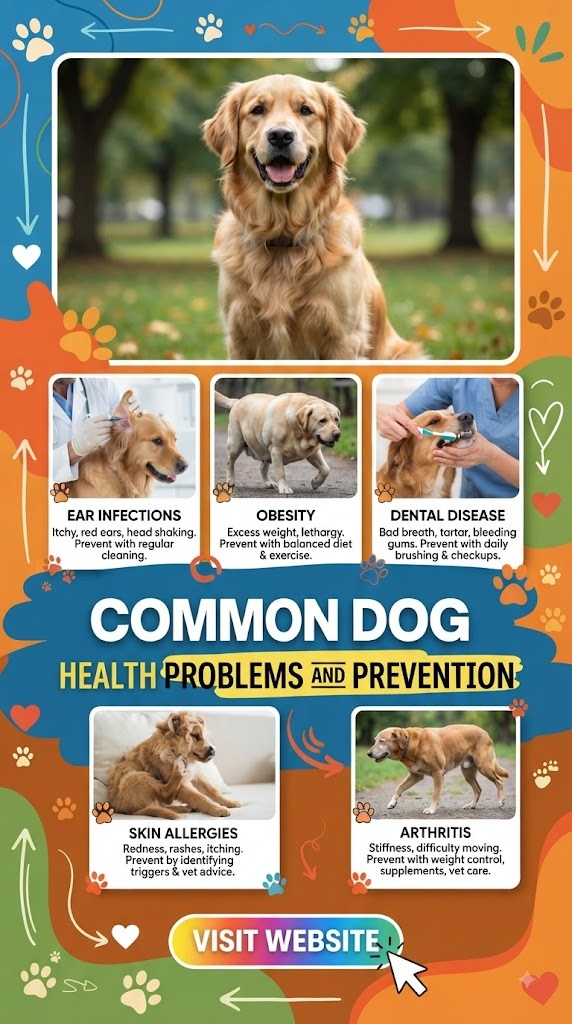
Common Dog Health Problems and Prevention
Dogs can experience a wide range of health problems throughout their lives, from minor skin irritations and digestive issues to serious conditions affecting the heart, kidneys, joints, or nervous system. Understanding the most common health problems—and knowing how to prevent, recognize, and respond to them—can help dog owners protect their pets and provide them with a longer, healthier, and more comfortable life.
1. Obesity
Obesity is one of the most common health concerns in dogs. Excess body weight can put additional stress on the joints, heart, lungs, and other organs. It can also increase the risk of diabetes, arthritis, breathing difficulties, and other chronic conditions.
Prevention:
- Feed appropriate portions based on your dog’s size, age, activity level, and nutritional needs.
- Limit treats and table scraps.
- Provide regular physical activity.
- Monitor your dog’s weight and body condition.
- Ask a veterinarian for guidance if your dog is gaining or losing weight unexpectedly.
2. Dental Disease
Dental disease is extremely common in dogs, particularly as they get older. Plaque and tartar can accumulate on the teeth, leading to bad breath, inflamed gums, pain, loose teeth, and infections. In advanced cases, oral disease can affect a dog’s overall health.
Warning signs include:
- Persistent bad breath
- Red or swollen gums
- Yellow or brown buildup on teeth
- Difficulty chewing
- Dropping food
- Excessive drooling
- Reduced appetite
Prevention: Regular tooth brushing with dog-specific toothpaste, appropriate dental-care products, and professional veterinary dental examinations can help maintain good oral health.
3. Skin Allergies and Infections
Dogs may develop allergies caused by fleas, environmental factors, food, or other irritants. Allergies can cause itching, redness, hair loss, licking, and recurrent ear or skin infections.
Prevention and management:
- Maintain consistent flea and parasite control.
- Keep bedding and living areas clean.
- Bathe your dog when appropriate for its coat and skin.
- Avoid using human shampoos or medications without veterinary advice.
- Have persistent itching or skin problems evaluated by a veterinarian.
4. Ear Infections
Ear infections are particularly common in dogs with floppy ears or those that frequently swim. Allergies, moisture, bacteria, yeast, and foreign material can contribute to ear problems.
Possible symptoms:
- Frequent head shaking
- Scratching the ears
- Redness or swelling
- Unpleasant odor
- Discharge
- Sensitivity or pain around the ears
Regular ear checks can help identify problems early. Dogs prone to ear infections may need a veterinarian-recommended cleaning routine.
5. Fleas, Ticks, and Other Parasites
External parasites can cause itching, skin irritation, anemia, and infections. Ticks can also transmit serious diseases. Internal parasites such as intestinal worms can cause digestive problems, poor growth, weight loss, or other complications.
Prevention:
Use veterinarian-recommended parasite prevention appropriate for your dog’s age, weight, lifestyle, and geographical area. Regular veterinary examinations and appropriate fecal testing can also help detect intestinal parasites.
6. Gastrointestinal Problems
Dogs can experience vomiting, diarrhea, constipation, gas, or loss of appetite for many reasons. Eating spoiled food, sudden dietary changes, parasites, infections, or swallowing inappropriate objects can all contribute to digestive problems.
To reduce the risk:
- Introduce dietary changes gradually.
- Keep garbage, toxic foods, medications, and dangerous objects away from your dog.
- Avoid giving foods that are unsafe for dogs.
- Ensure fresh drinking water is always available.
Repeated vomiting, severe diarrhea, blood in vomit or stool, extreme weakness, abdominal swelling, or inability to keep water down requires prompt veterinary attention.
7. Arthritis and Joint Problems
Arthritis and other joint disorders can cause pain and reduced mobility, especially in older dogs and some breeds that are predisposed to orthopedic conditions.
Signs may include:
- Difficulty standing up
- Limping
- Reluctance to climb stairs
- Reduced interest in exercise
- Stiffness after resting
- Difficulty jumping
Maintaining a healthy weight, providing appropriate exercise, preventing injuries, and having mobility changes assessed early can help protect joint health.
8. Heart Disease
Some dogs develop heart disease because of age, genetics, or other medical conditions. Early signs may be subtle.
Watch for:
- Persistent coughing
- Reduced stamina
- Difficulty breathing
- Weakness
- Fainting or collapse
- Abdominal swelling
Routine veterinary examinations are especially important for senior dogs and breeds with known heart-disease risks.
9. Diabetes
Diabetes occurs when the body cannot properly regulate blood glucose. Dogs with diabetes may drink more water, urinate more frequently, lose weight despite having an appetite, or become unusually tired.
Maintaining a healthy weight and providing a balanced diet and regular exercise can reduce some risk factors. If you notice significant changes in thirst, urination, appetite, or weight, consult a veterinarian.
10. Kidney and Urinary Problems
Kidney disease and urinary disorders can occur for many reasons, including age, infections, stones, congenital conditions, and other illnesses.
Potential warning signs:
- Increased thirst
- Frequent urination
- Difficulty urinating
- Blood in the urine
- Loss of appetite
- Vomiting
- Weight loss
- Low energy
Regular veterinary examinations can help identify kidney or urinary problems before they become advanced.
11. Respiratory Problems
Coughing, sneezing, nasal discharge, breathing difficulties, and changes in exercise tolerance may indicate respiratory disease. Some problems are mild, while others can be emergencies.
If a dog is struggling to breathe, has blue or pale gums, collapses, or suddenly develops severe respiratory distress, immediate veterinary care is necessary.
12. Cancer
Cancer becomes more common as dogs age, although it can occur in dogs of any age. Different types of cancer can affect different organs and tissues.
Possible warning signs include unexplained lumps, persistent weight loss, abnormal bleeding, prolonged weakness, changes in appetite, or wounds that do not heal.
Not every lump is cancerous, but new or changing lumps should be examined by a veterinarian.
13. Infectious Diseases
Dogs can develop contagious illnesses caused by viruses, bacteria, and other organisms. Some can be particularly serious in puppies or unvaccinated dogs.
Vaccination is one of the most important preventive measures. Your veterinarian can recommend a vaccination schedule based on your dog’s age, lifestyle, location, and exposure risks.
14. Heatstroke
Dogs can develop heatstroke rapidly in hot or poorly ventilated environments. This is a potentially life-threatening emergency.
Signs can include:
- Heavy or excessive panting
- Excessive drooling
- Weakness
- Confusion
- Vomiting or diarrhea
- Collapse
- Seizures
Never leave a dog unattended in a parked vehicle. During hot weather, provide shade, fresh water, ventilation, and appropriate exercise times. Dogs with short noses, such as some brachycephalic breeds, may be especially vulnerable to heat-related problems.
15. Poisoning and Accidental Ingestion
Dogs are naturally curious and may eat substances that are dangerous to them. Certain human foods, medications, household chemicals, pesticides, and other substances can be toxic.
Keep potentially dangerous substances securely stored and prevent dogs from accessing trash, medications, chemicals, and unsafe foods. If you suspect your dog has swallowed something toxic, contact a veterinarian or emergency veterinary service immediately rather than waiting for symptoms to appear.
How to Prevent Common Dog Health Problems
Good preventive care is often more effective than waiting until a disease becomes serious. Important steps include:
- Schedule regular veterinary examinations. Routine checkups allow problems to be detected early.
- Keep vaccinations up to date. Follow a veterinarian’s recommended vaccination schedule.
- Use appropriate parasite prevention. Protection against fleas, ticks, heartworm, and intestinal parasites should be tailored to the individual dog.
- Provide balanced nutrition. Feed a complete and appropriate diet and avoid excessive treats.
- Maintain a healthy weight. Regularly monitor body condition rather than relying only on the number on a scale.
- Encourage regular exercise. Choose activities appropriate for your dog’s age, breed, fitness, and physical condition.
- Practice dental care. Regular brushing and veterinary dental assessments can reduce dental disease.
- Maintain grooming and hygiene. Regular grooming provides an opportunity to notice skin changes, lumps, parasites, wounds, or other abnormalities.
- Provide clean water. Fresh drinking water should be available at all times.
- Make your home safe. Keep medications, chemicals, toxic foods, small objects, and other hazards out of reach.
- Monitor behavioral changes. Changes in appetite, sleep, activity, temperament, or bathroom habits can sometimes be early signs of illness.
- Pay extra attention to senior dogs. Older dogs may benefit from more frequent veterinary monitoring and early investigation of changes in mobility, appetite, or behavior.
When Should You Contact a Veterinarian?
A dog does not need to appear seriously ill before veterinary advice is appropriate. Contact your veterinarian if you notice persistent changes in eating, drinking, urination, bowel movements, weight, energy, breathing, mobility, or behavior.
Seek urgent veterinary care for signs such as difficulty breathing, collapse, seizures, severe bleeding, suspected poisoning, severe abdominal swelling, repeated uncontrollable vomiting, inability to urinate, or sudden extreme weakness.
Final Thoughts
Preventive healthcare plays a major role in keeping dogs healthy. A nutritious diet, appropriate exercise, vaccinations, parasite prevention, dental care, grooming, regular veterinary checkups, and a safe home environment can significantly reduce many health risks. Just as importantly, knowing your dog’s normal behavior makes it easier to recognize changes that may signal illness.
Every dog is different, and recommendations can vary according to age, breed, size, lifestyle, medical history, and location. For that reason, a veterinarian should be the primary source for individualized preventive-care and treatment advice.