The Biggest Dog Health Mistakes Every Owner Makes (And How to Fix Them Before It’s Too Late)
We often call them our “fur babies” or “best friends,” and for good reason. Dogs provide a level of unconditional love that is rarely found elsewhere. Because of this deep emotional bond, most dog owners believe they are doing everything in their power to keep their canine companions healthy and happy.
However, there is a massive gap between “loving” a dog and “providing optimal biological care.” Often, the things we do out of love—like sharing a piece of bacon or skipping a walk because it’s raining—are the very things that chip away at our dogs’ longevity.
The reality is that many common practices in modern dog ownership are actually detrimental to a dog’s health. From nutritional oversights to a lack of mental stimulation, these mistakes are often silent, building up over years until they manifest as chronic disease or behavioral issues. If you want your dog to live to their maximum potential age, it’s time to look at the hard truths of canine care.
1. The “Love Equals Food” Trap: Overfeeding and Obesity
The single most common health mistake dog owners make is overfeeding. According to the Association for Pet Obesity Prevention, over 50% of dogs in the United States are overweight or obese.
The Slow Killer
Obesity isn’t just a cosmetic issue; it is a state of chronic inflammation. Fat tissue secretes pro-inflammatory cytokines that damage organs and joints over time. An overweight dog is at a significantly higher risk for:
- Osteoarthritis: Carrying extra weight puts immense pressure on joints, leading to premature breakdown.
- Diabetes Mellitus: Just like humans, dogs can develop insulin resistance.
- Cardiovascular Disease: The heart has to work harder to pump blood through a larger body.
- Reduced Lifespan: Studies have shown that lean dogs live up to 2.5 years longer than their overweight counterparts.
The “Table Scrap” Culprit
We give in to those “puppy dog eyes” and offer a piece of pizza crust or a slice of cheese. To us, it’s a small snack. To a 20-pound dog, a single ounce of cheddar cheese is the caloric equivalent of a human eating two double cheeseburgers.
The Fix: Use a measuring cup for every meal. Replace high-calorie processed treats with fresh alternatives like green beans, blueberries, or cucumber slices. If your dog is begging, offer attention or a toy instead of calories.
2. Neglecting the “Silent Killer”: Dental Hygiene
Many owners assume that “dog breath” is just a natural part of being a dog. It isn’t. Foul breath is usually the first sign of periodontal disease.
The Heart-Mouth Connection
By the age of three, 80% of dogs show signs of oral disease. This isn’t just about yellow teeth or missing canines. Bacteria in the mouth can enter the bloodstream through inflamed gums, traveling directly to the heart, liver, and kidneys. This leads to endocarditis (infection of the heart valves) and chronic kidney failure.
The Dry Kibble Myth
There is a persistent myth that dry kibble “cleans” a dog’s teeth through abrasion. This is equivalent to a human eating crackers to clean their teeth. Most dogs swallow kibble whole or break it into pieces that don’t provide enough friction to remove plaque.
The Fix: Daily tooth brushing is the gold standard. If your dog won’t tolerate it, use dental additives in their water, high-quality dental chews approved by the Veterinary Oral Health Council (VOHC), and schedule professional veterinary cleanings once a year.
3. The “Weekend Warrior” Syndrome: Improper Exercise
We live busy lives. Often, our dogs spend Monday through Friday lounging on the couch, only to be taken on a five-mile hike or a high-intensity game of fetch on Saturday.
The Injury Risk
This “zero to sixty” approach is a recipe for disaster. Tendons, ligaments, and muscles that aren’t conditioned for high-impact activity are prone to tearing. The most common injury in dogs is the Cranial Cruciate Ligament (CCL) tear—the canine equivalent of an ACL tear. This often requires expensive surgery and months of rehabilitation.
Lack of Mental Stimulation
Physical exercise is only half the battle. A dog that runs for three miles but never gets to sniff or solve a problem is still “mentally” under-exercised. This leads to anxiety, obsessive-compulsive behaviors, and destructive habits.
The Fix: Consistency is key. Aim for at least 30 to 60 minutes of moderate activity every single day rather than one massive burst on the weekend. Incorporate “Sniffaris”—walks where the dog is allowed to lead and smell everything—to tire out their brain as well as their body.
4. Treating the Symptoms, Not the Cause: The Google Vet Trap
When a dog starts itching, loses patches of hair, or has a soft stool, many owners turn to the internet. While the internet is a great resource, it leads to the “band-aid” mistake: treating symptoms without understanding the underlying pathology.
The Allergy Confusion
Owners often assume a dog is itching because of a “grain allergy.” They switch to grain-free food, but the itching continues. In reality, most food allergies in dogs are to the protein source (chicken or beef), or the issue isn’t food at all—it’s environmental (pollen, dust mites, or fleas).
The Danger of Human Medication
Another massive mistake is giving human medications like Ibuprofen or Tylenol to dogs for pain. These can be fatal, causing acute kidney failure or stomach ulceration in very small doses.
The Fix: If your dog’s behavior or physical appearance changes, see a vet. Early intervention for a minor skin infection is much cheaper and safer than treating a systemic staph infection six months later.
5. Dismissing “Slowing Down” as “Just Getting Old”
One of the most heartbreaking mistakes owners make is watching their dog become less active and assuming it’s just a natural part of aging.
Pain is Often Invisible
Dogs are masters at hiding pain. This is an evolutionary survival mechanism. By the time a dog is limping, they are usually in significant distress. “Slowing down” is often a sign of chronic pain from arthritis, declining vision, or underlying metabolic issues like hypothyroidism.
The Quality of Life Oversight
When we dismiss these signs as “normal aging,” we deny our dogs treatments that could dramatically improve their quality of life. Galliprant, Librela, or even simple fish oil supplements can turn a “sedentary” senior dog back into a playful companion.
The Fix: Senior dogs (typically ages 7+) should have bi-annual vet checkups. Blood work can catch kidney or liver issues long before the dog shows external symptoms. Watch for subtle signs: difficulty rising, hesitating at stairs, or changes in sleeping patterns.
6. The Grooming Gap: It’s Not Just About Looking Good
Many owners view grooming as a luxury or an aesthetic choice. In reality, grooming is a fundamental pillar of physical health.
The Danger of Long Nails
This is perhaps the most overlooked aspect of dog care. When a dog’s nails are too long, they hit the floor with every step. This pushes the nail back into the nail bed, which in turn realigns the bones of the foot. Over time, this changes the dog’s entire posture, leading to Compensatory Strain Syndrome and premature arthritis in the shoulders and hips.
Matting and Skin Infections
For long-haired breeds, matting is not just “messy.” Mats pull tightly on the skin, creating painful sores and trapping moisture that leads to fungal and bacterial infections. In extreme cases, mats can even cut off circulation to limbs.
The Fix: Trim nails every 2-4 weeks. If you can hear them clicking on the floor, they are too long. Brush your dog’s coat several times a week to prevent mats and to check for new lumps, bumps, or parasites.
7. Poor Socialization vs. Forced Interaction
There is a huge misconception about what “socialization” actually means. Many owners think it means their dog must meet and play with every dog and person they see.
The Dog Park Myth
Forcing a nervous dog into a crowded dog park is one of the quickest ways to create “leash reactivity” or aggression. Not every dog is a “social butterfly.” Just like some humans are introverts, some dogs prefer the company of their family and one or two “dog friends.”
The “He’s Friendly!” Fallacy
Allowing your dog to run up to a leashed dog while shouting “He’s friendly!” is a major mistake. The other dog might be in training, in pain, or dog-aggressive. These interactions often lead to fights, which cause lasting psychological trauma (and physical injury) to both dogs.
The Fix: Proper socialization is about neutrality. It means teaching your dog to be calm and focused on you in the presence of other dogs and distractions. Respect your dog’s boundaries—if they are cowering or tucking their tail, remove them from the situation.
8. Ignoring the Ingredients: The Marketing Hype
The pet food industry is a multi-billion dollar machine that relies heavily on “human-grade” marketing. Owners often choose food based on beautiful pictures of rotisserie chicken and kale on the bag, rather than the scientific formulation.
The Grain-Free Controversy
For a decade, “grain-free” was the biggest trend in dog health. However, the FDA has been investigating a link between certain grain-free diets (specifically those high in lentils, peas, and potatoes) and a serious heart condition called Dilated Cardiomyopathy (DCM).
High Heat and Nutrient Loss
Many standard kibbles are processed at extremely high temperatures, which can destroy natural vitamins and create carcinogenic compounds like acrylamides.
The Fix: Look for foods that meet AAFCO standards and have undergone feeding trials. If you can afford it, consider adding “fresh toppers” to kibble—lightly steamed broccoli, sardines in water (for Omega-3s), or a soft-boiled egg. Avoid foods that use “meat by-product” or “animal fat” (unspecified sources).
9. Lack of Environmental Safety: Household Toxins
We often assume that if a product is safe for us, it’s safe for our dogs. This is a dangerous assumption.
The Xylitol (Birch Sugar) Danger
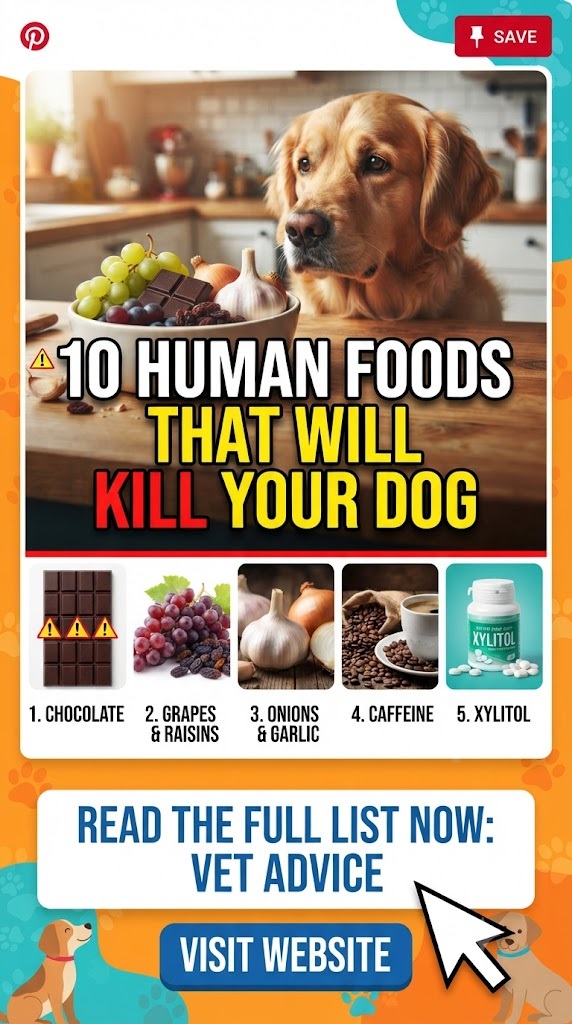
Xylitol is a common sugar substitute found in sugar-free gum, peanut butter, and even some medications. In dogs, it causes a massive insulin surge followed by liver failure. It is significantly more toxic than chocolate.
Diffusers and Essential Oils
The “natural living” movement has led many owners to use essential oil diffusers. However, many oils (like tea tree, peppermint, and cinnamon) are toxic to dogs when inhaled or absorbed through the skin, leading to respiratory distress or neurological issues.
The Fix: Always read labels. If you buy peanut butter, ensure the only ingredient is “peanuts.” Keep all cleaning supplies, human medications, and toxic plants (like Sago Palms and Lilies) out of reach.
10. The “Vaccine Hesitancy” or “Over-Vaccination” Extremes
Pet owners often fall into two dangerous camps: those who stop vaccinating altogether because the dog “stays in the yard,” and those who vaccinate for everything every year without testing.
The Core Vaccine Necessity
Rabies, Distemper, and Parvovirus are not “suggestions.” They are often fatal diseases that are entirely preventable. Skipping these based on internet misinformation puts your dog and the community at risk.
The Titer Alternative
On the flip side, over-vaccinating can lead to immune system stress in some dogs.
The Fix: Talk to your vet about “Titer testing.” This is a blood test that measures the levels of antibodies in your dog’s system. If the levels are high enough, you may be able to skip a booster shot for that year. Always tailor vaccinations to your dog’s specific lifestyle (e.g., Lepto vaccines for dogs who hike near water, Bordetella for dogs who go to daycare).
11. Overlooking Preventative Meds: The Parasite Gamble
“I don’t see any fleas, so my dog doesn’t need prevention.” This is a phrase vets hear every day.
Heartworm: The Invisible Killer
Heartworm is transmitted by mosquitoes. It takes only one bite. By the time a dog shows symptoms (coughing, lethargy), the heart is already infested with worms that can grow up to a foot long. The treatment for heartworm is incredibly painful, expensive, and can be dangerous itself.
Ticks and Lyme Disease
Tick-borne illnesses are on the rise globally. Lyme disease, Anaplasmosis, and Ehrlichia can cause chronic joint pain, kidney failure, and neurological issues.
The Fix: Year-round prevention is mandatory in most climates. Even if it’s winter, a few warm days can bring out dormant parasites. Think of prevention as an insurance policy for your dog’s internal organs.
12. Emotional Misinterpretation: The “Guilty” Dog
When you come home to a shredded pillow and your dog is “looking guilty”—ears back, whites of the eyes showing, slinking away—you might think they know they did something wrong.
The Fear Response
Science has proven that dogs do not feel “guilt” in the way humans do. What you are seeing is a fear response. The dog senses your anger or frustration and is trying to appease you with submissive body language.
Why It’s a Health Mistake
Punishing a dog after the fact (even 10 minutes later) does nothing to stop the behavior. It only creates a state of chronic stress and anxiety. Chronic stress elevates cortisol levels, which weakens the immune system and can lead to gastrointestinal issues and behavioral “shut down.”
The Fix: Focus on management and positive reinforcement. If the dog shreds pillows, keep them out of the room when you aren’t home. Provide “legal” outlets for chewing. Reward the behaviors you want to see rather than punishing the ones you don’t.
13. Neglecting “The Golden Hour”: Immediate Post-Walk Care
Most owners finish a walk, unclip the leash, and go back to their own business. They miss the most critical time to check their dog’s health.
The Paw and Skin Check
This is the time to check for foxtails (vicious seeds that burrow into the skin), ticks, or cuts on the paw pads. In the summer, check for burns from hot asphalt. In the winter, check for salt and ice-melt chemicals that can burn the skin and are toxic if licked.
The Fix: Make a “post-walk ritual.” Wipe down paws with a damp cloth, check between the toes, and run your hands over their body to feel for any new lumps or hitchhikers.
14. Humanizing the Dog’s Biology
We want our dogs to be like us, so we dress them in heavy sweaters (even when they have a double coat) or we feed them “superfoods” that their digestive tracts aren’t designed to handle.
Thermoregulation Mistakes
Forcing a Husky or a Malamute to wear a coat in 40-degree weather can actually cause them to overheat. Conversely, assuming a Greyhound or a Chihuahua is “fine” in the cold because they are a dog can lead to hypothermia.
The Digestive Reality
Dogs have a much shorter digestive tract than humans. While we thrive on high-fiber diets, too much fiber can prevent a dog from absorbing essential nutrients.
The Fix: Research your dog’s specific breed history. Understand their coat type and their ancestral diet. Treat them with the respect their canine biology deserves, not the expectations of a human child.
Conclusion: The Path to a Longer Life
Correcting these mistakes isn’t about being a “perfect” owner; it’s about being an informed advocate for a creature that cannot speak for itself. The modern world is not naturally designed for dogs—the processed food, the sedentary lifestyle, and the chemical-laden environments are all hurdles to their health.
By shifting our perspective from “loving them through indulgence” to “loving them through discipline,” we can add years to their lives. Measure the food, brush the teeth, walk the extra mile, and pay attention to the subtle whispers of their body. Your dog gives you their whole life; the least you can do is make sure that life is as long and pain-free as possible.